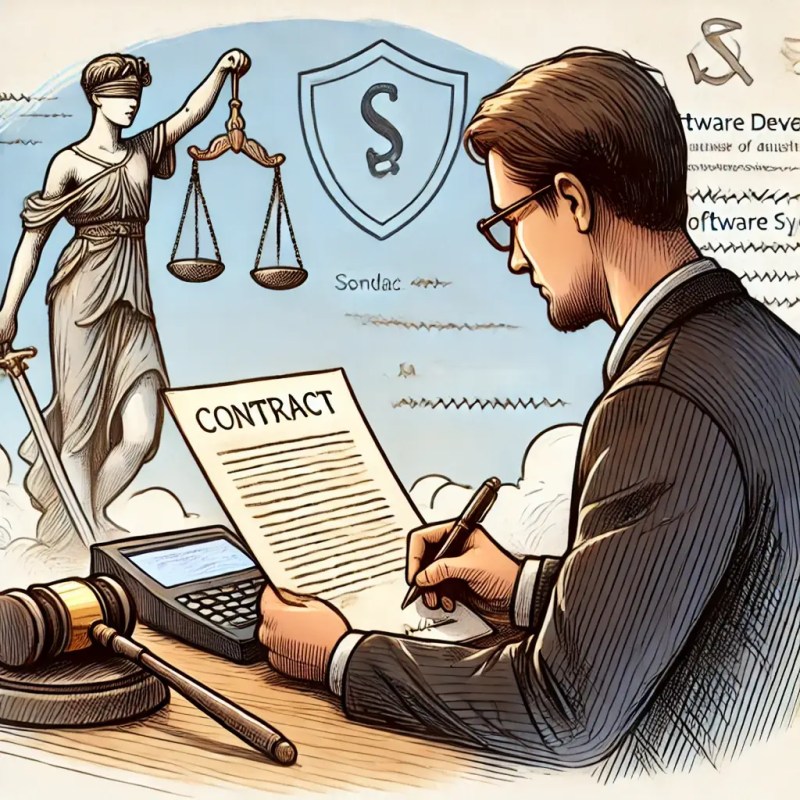
If you work in the software industry, you know only too well how complex it can be, especially with the rapid advancements in computers and technology. From the beginning concept to the finished product, the path to creating software products is never straight or simple. Evolving requirements, diverse technologies, integration challenges, security concerns, and working in alignment with various teams conspire to present challenging and sometimes problematic issues between you and success.
With all of that, it can also be easy to overlook the intellectual property aspects of your project, which often leads to conflict between businesses, with developers, and very possibly expensive litigation over the IP rights in the software.
Nobody wants that.
Here are a few suggestions to consider as you begin the software development journey that will reduce the chances that the intellectual property rights in your software will be questioned.
- Establish solid IP Policies. Detailed internal policies regarding IP usage should guide team members on how they can use, share, and develop software. Even better, educate your team on IP law to foster a proper understanding of the importance of legal compliance.
- Ensure your concept and implementation doesn’t infringe on someone else’s IP. When prepping a development project, do your due diligence and research existing patents, trademarks, and copyrights that may be similar.
- Clearly document your development process. Especially when several developers or teams are involved, make detailed notes of design decisions, code comments, and any third-party data that may have been used. You may one day be asked to demonstrate originality or due diligence and having detailed documentation will be essential.
- Be smart about how you use open-source software. Make sure you clearly understand the license terms for the open source you’re using and adhere to them strictly, including the differences between permissive and copyleft licenses, or any other terms that may not be fully detailed.
- Ensure you have licenses for any third-party code or assets that you integrate. Intellectual property and licensing are critical components of software development that cannot be overlooked. Software companies must ensure they have the necessary licenses and permissions to use third-party software components, libraries, and frameworks. Neglecting this can lead to intellectual property infringement lawsuits and hefty financial penalties.
- Always use Non-Disclosure Agreements. To protect sensitive information and prevent unauthorized use of your IP, make sure that any external partners or contractors with whom you’re working sign an NDA.
- File for IP protection. Software can be protected via trademarks, copyrights, and possibly even patents. Evaluate which methods might work best for protecting your rights in your software.
- Ask an IP attorney. The more complex the development process becomes, the more likely it is that seeking help from an established IP attorney will pay dividends. It will also reduce the risk of receiving a cease & desist letter that may stop you in your tracks.
- Be prepared to enforce your own IP rights. Keep an eye on the market for any potential infringers and be ready to enforce your rights if necessary.
In a complex industry like software, keeping it simple with your IP by following clear protocols and due diligence will go a long way to keeping you out of a lawsuit.